Quantum fluid mechanics
Quantum–classical algorithms and multiscale frameworks for transport and turbulence.
Postdoctoral Researcher in Mechanical and Aerospace Engineering
FAMU–FSU College of Engineering
I develop computational methods for fluid mechanics—from physiological transport and fluid–structure interaction to emerging quantum algorithms for multiscale flow.
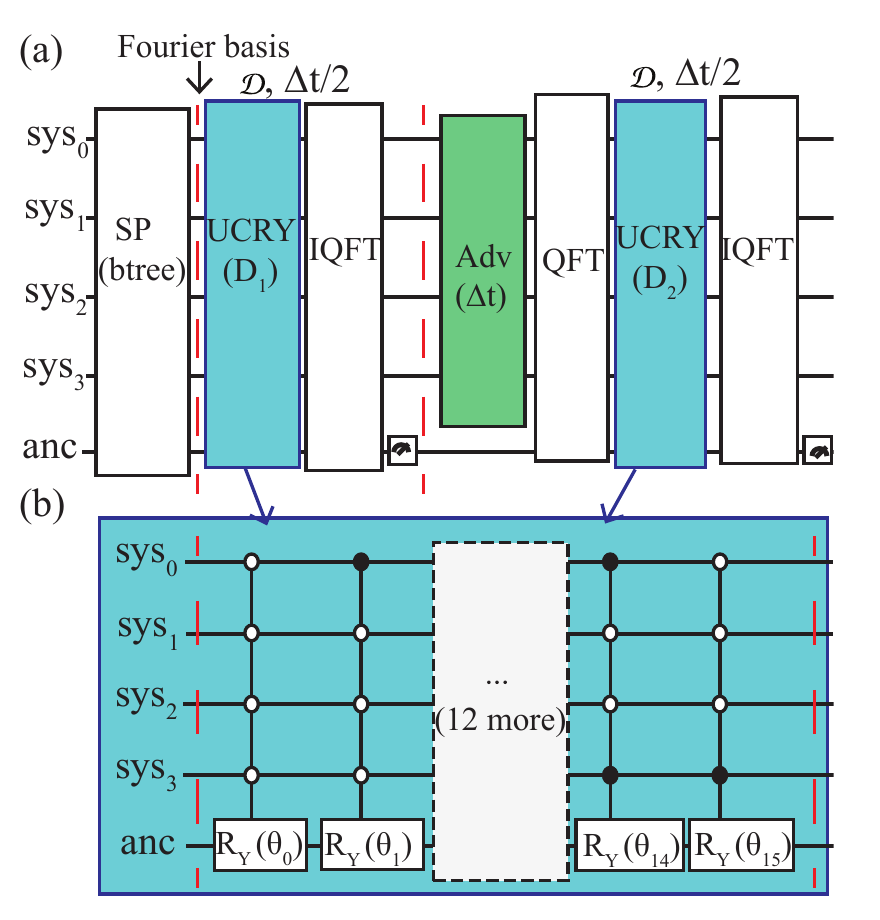
This new work develops a fixed-width quantum time-marching method for variable-coefficient advection–diffusion with continuous source injection. The circuit combines Gray-code advection, an efficient source loader, and one reusable diffusion ancilla while keeping the peak logical width to nq + 1 qubits.
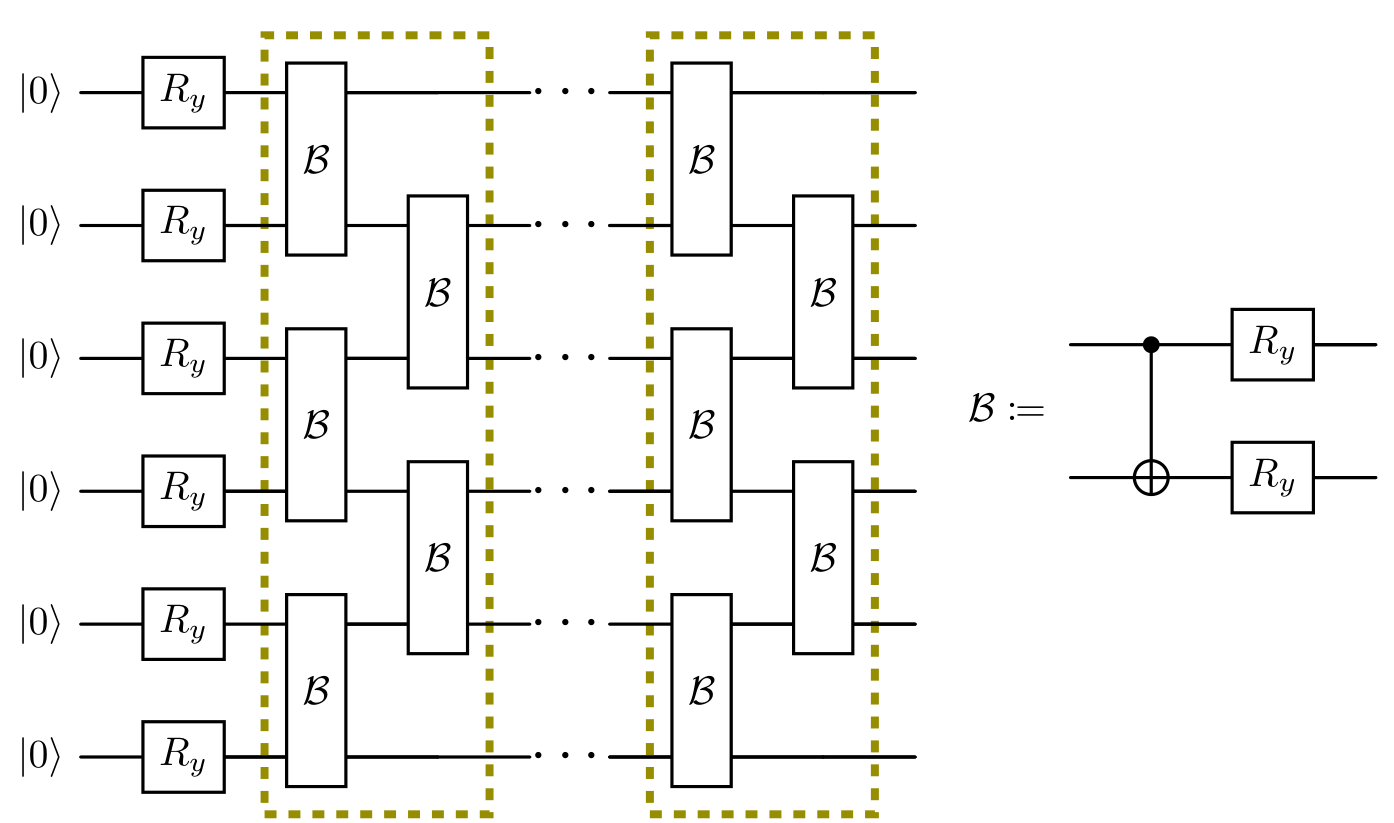
This work introduces a spacetime-encoded variational quantum algorithm that reconstructs nonlinear fluid velocity fields from sparse, time-resolved sensor data, without requiring a known initial condition. A single variational quantum state jointly optimizes a physics-informed PDE residual and a measurement mismatch term, validated on the Burgers and Kuramoto–Sivashinsky equations using sensors covering as little as 25% of the spatial grid.
Quantum–classical algorithms and multiscale frameworks for transport and turbulence.
High-fidelity simulation of turbulent flow over flexible, bio-inspired surfaces.
Multiphase CFD for tumor perfusion, respiratory transport, and targeted drug delivery.
Selected research
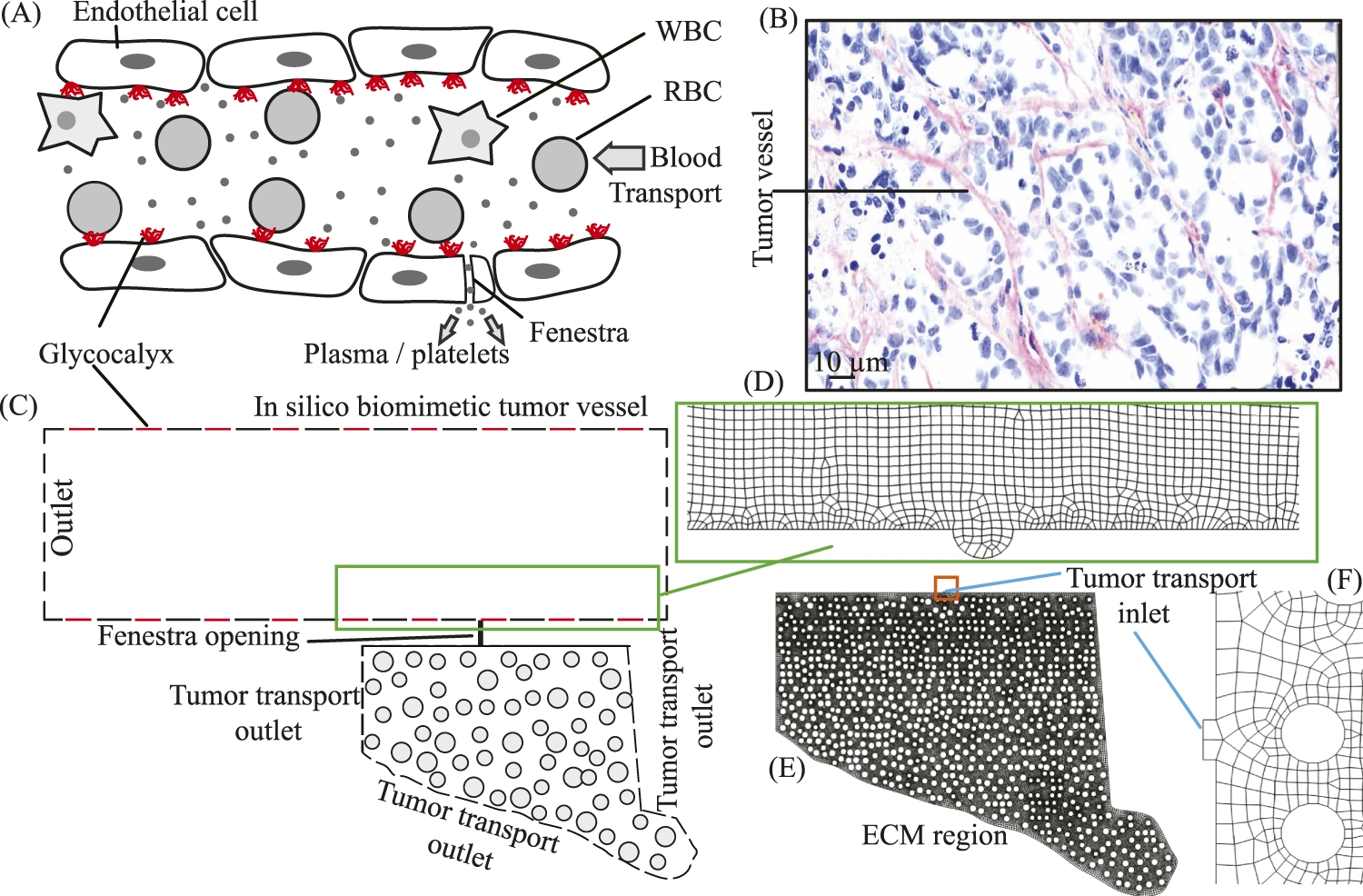
Tumor transport · 2026
A three-phase CFD framework connects localized vessel-wall physics with efficient prediction of solute progression through dense tumor extracellular matrix.
Read paper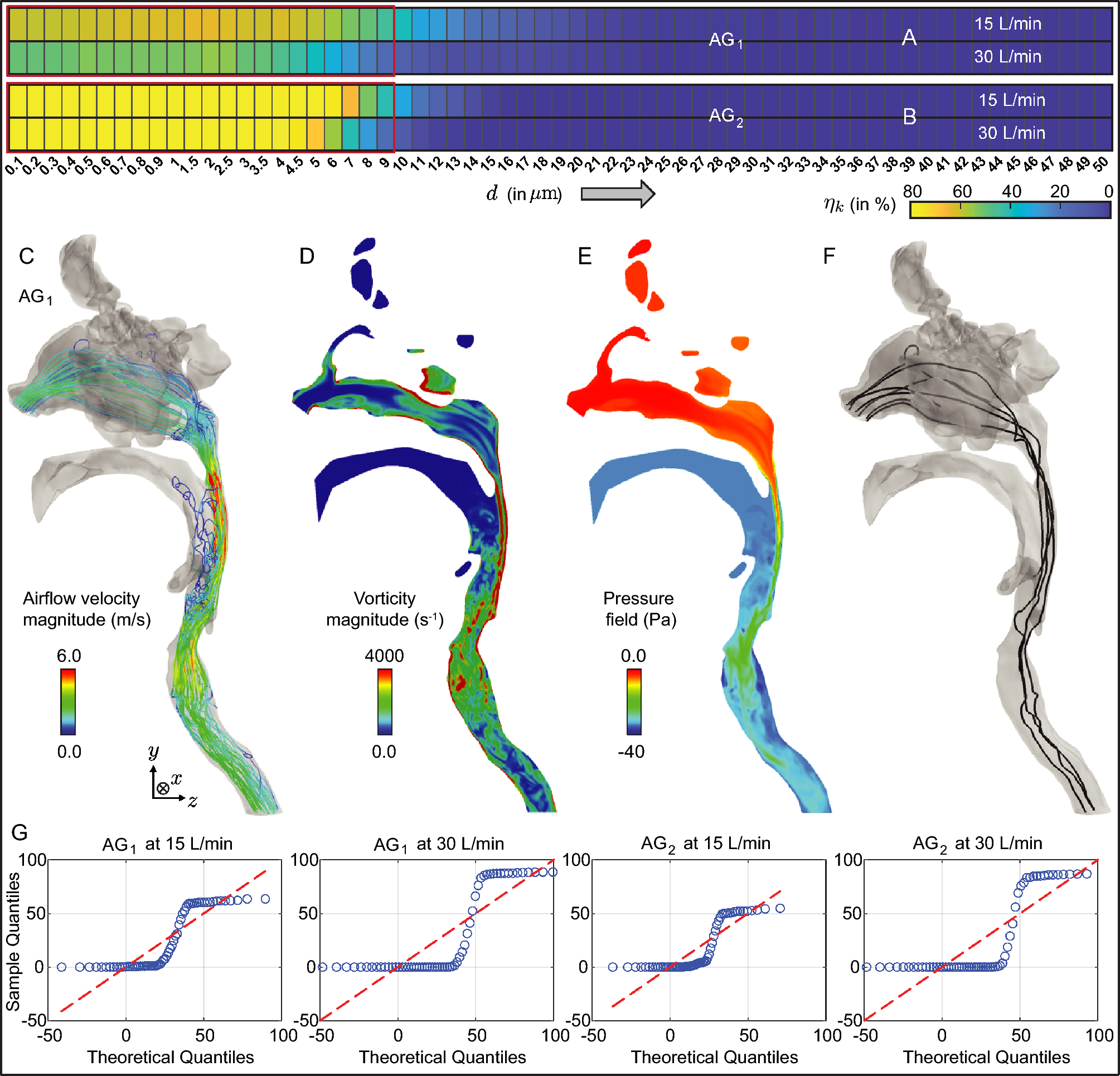
Airborne infection mechanics · 2026
Medical-image-based CFD links aerosol size, airway transport, and deposition at infection-prone regions to model critical exposure duration.
Read paperRecent & selected publications
arXiv, arXiv:2608.27712 [quant-ph] · 2026
arXiv, arXiv:2609.09268 [quant-ph] · 2026
Frontiers in Pharmacology, 17:1746751 · 2026
Scientific Reports, 16:2142 · published online 2025 · 2026
In the news
Coverage of doctoral research modeling multiphase blood flow in tumor microenvironments, conducted with Dr. Saikat Basu.
Coverage of a computational aerosol transport model of nasopharyngeal-to-lower-airway spread, published in Rhinology Online.
Brief bio
Mohammad Mehedi Hasan Akash is a postdoctoral fellow in the Computational and Theoretical Multiphysics Laboratory at the FAMU–FSU College of Engineering. His current research combines high-fidelity fluid–structure interaction with quantum-based multiscale modeling for transport and turbulence.
He earned his PhD and MS in Mechanical Engineering from South Dakota State University, where he modeled multiphase transport in tumor microenvironments and medical-image-derived respiratory airways. He previously completed his MSc and BSc at Bangladesh University of Engineering and Technology. Across these areas, his work uses physically grounded computation to make complex flow systems more interpretable and tractable.
View academic background